

BC Game Mirror: Everything You Need to Know
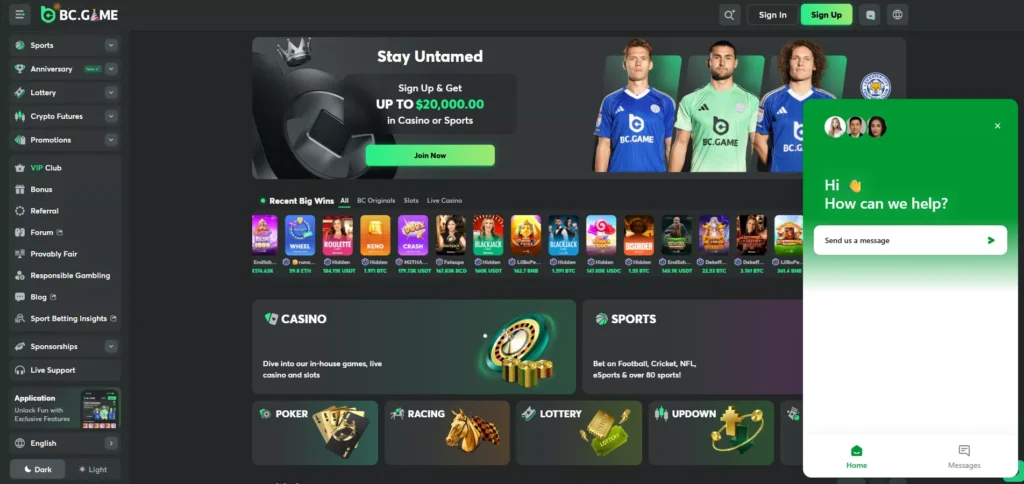
BC Game mirror sites are alternative web addresses that can redirect players to the same or similar online gaming experience when direct access is limited. People look for mirrors to maintain continuity during regional restrictions, temporary downtime, or connectivity issues. It is important to verify that any mirror is reliable before entering account details or making deposits. A reference page for mirror options is available at https://bc-game-philippines.com/mirrors/ for users who want to compare what is currently offered. For mobile access and account actions, users can also review the official entry point at https://bc-game-philippines.com/app/.
What a BC Game Mirror Is
A BC Game mirror is a different URL that is used to reach a gaming platform that may otherwise be difficult to access. Mirrors can be created for load balancing, routing differences, or to provide service continuity. In some cases, mirrors are used when a specific domain is blocked or unavailable in a particular network. The goal is to help players connect to the service using an alternate address. Although the user experience is intended to remain similar, site appearance, performance, and navigation may vary slightly across mirrors.
Why Players Use Mirrors
Players commonly use mirrors when the main website does not load or when pages fail to respond during peak traffic. Network restrictions can also affect how a domain resolves, which may lead to timeouts or error messages. Some users seek mirrors after updates, because a new domain may take time to propagate through certain internet providers. Another reason is device compatibility, since some mirrors may load more consistently on specific browsers. Using a mirror can reduce interruptions, but it should not replace basic safety checks and account protection practices.
How Mirrors Work in Practice
Domain routing and redirection
Mirror access typically relies on domain routing, where a mirror address points to the same backend services as the primary platform. In many setups, the mirror behaves like a direct alternative site rather than a separate service. Users may land on the same lobby layout, with similar login flows and game categories. However, the exact redirection method can differ, which is why load time and page behavior may not be identical. Checking that the mirror loads the expected login and content areas is part of verifying the connection.
Content and user experience differences
Even when the backend is consistent, front-end updates can affect what players see. Some mirrors may show different language defaults, cookie prompts, or payment interface wording. Performance can also vary depending on the geographic location of servers. Players should confirm that game listings, account status, and deposit screens appear correctly. If key pages are missing or the interface looks unusual, the mirror should be avoided.
Login and account behavior
Mirrors are intended to route users into the same account system, but session handling can still vary by site. For example, a mirror may require a fresh login even if another address is already signed in. Users should ensure they are entering credentials on the correct domain and not into an unrelated login prompt. Two-factor authentication, if enabled, can help confirm that the login request is legitimate. Monitoring for repeated login failures can indicate an access issue rather than an account problem.
Safety Checks Before Using a Mirror
Verify the source of the mirror
Mirror listings should be obtained from trusted references rather than copied from unrelated posts. A reliable mirror page typically provides clear context and keeps entries updated. Users should avoid mirrors that appear without verification, especially those distributed through unofficial messaging channels. Before using a mirror for deposits, confirm that the domain is consistent with the referenced listing. This helps reduce the risk of accidentally using a fraudulent site.
Confirm site security signals
When accessing a mirror, check that the browser indicates secure connection behavior for the page you are using. Security signals can include proper certificate handling and stable page loading without repeated interruptions. Avoid continuing if the browser reports critical security errors or certificate mismatches. It is also useful to review whether navigation links lead to expected sections like the lobby, cashier, or account settings. Any sudden changes in layout or unexpected downloads should be treated as warning signs.
Protect login credentials and payment details
Users should never share passwords through chat messages or forms that are not part of the official login flow. If a mirror requests credentials in a way that differs from normal behavior, users should stop and try another verified entry point. Payment details should be handled only through established payment interfaces on the platform. When depositing, users should confirm the currency, minimum amounts, and transaction status screens. Keeping personal devices updated and using strong passwords also lowers account risk.
Common Issues and How to Address Them
Pages failing to load
If a mirror does not load, the issue may be related to browser caching, local network routing, or server load. Refreshing the page or trying a different browser can help isolate whether the problem is local. Clearing cache and cookies can resolve outdated scripts that prevent the lobby from rendering. If multiple mirrors fail, the platform may be experiencing broader connectivity issues. In that case, waiting and retrying later is often the most practical step.
Login errors and session timeouts
Login errors can occur when session tokens expire or when a mirror uses a different session lifecycle. Users should verify that they are entering the correct username and password and that the caps lock and keyboard layout are correct. If a password reset is needed, it should be initiated through the expected platform controls. Logging in from a stable connection and avoiding frequent switching between mirrors can reduce repeated failures. If errors persist across verified mirrors, contacting the platform support channels may be necessary.
Deposit or cashier access problems
Some users experience delays or errors when accessing deposit pages on a specific mirror. This can be caused by partial page loading, blocked scripts, or temporary payment gateway interruptions. Users should confirm that they are on the correct cashier or deposit section and that the displayed method is active. If the deposit form does not render or the transaction status does not update, retrying from a different verified entry point can help. Keeping a record of transaction IDs and timestamps can support resolution if issues require follow-up.
How to Choose a Reliable BC Game Mirror
Choosing a mirror should focus on trust, consistency, and predictable performance. Start with a mirror list from a reputable source and compare the current availability of options. You can also check whether the mirror supports expected features like login, lobby access, and cashier navigation. If several mirrors are listed, selecting the one that loads smoothly can reduce interruptions. An organized approach can help users move forward without repeatedly testing unsafe links.
Practical selection checklist
Before using a mirror, you can review a simple checklist to reduce risk and improve success rates. This checklist does not guarantee safety, but it supports better decision-making. Use it to evaluate whether the mirror behaves like an expected platform entry. If any item is not met, it is reasonable to stop and choose a different verified option. Keep expectations realistic regarding performance during high-traffic periods.
- Obtain the mirror address from a verified mirror listing page.
- Confirm the login page and key navigation links appear normally.
- Check that deposit and account pages load without missing sections.
- Avoid domains that trigger critical browser security warnings.
- Limit repeated credential entry attempts if errors appear.
Accessing the Platform: Web vs App
When the app may be preferable
The BC Game app can be preferable when users want consistent access and fewer browser-related issues. Some problems that affect mirrors, such as blocked scripts or caching conflicts, may be reduced on a dedicated app. The app experience can also provide stable navigation to account and cashier functions. Users should still confirm they are using the official app entry point. This helps ensure authentication and payment flows are handled through expected channels.
Using web mirrors effectively
Web mirrors can be useful when the app is unavailable or when a browser session is required for specific tasks. To use mirrors effectively, users should plan to open the mirror, log in once, and then complete tasks without constant switching. This reduces the chance of session mismatch and repeated timeouts. If the web mirror is slow, switching to another verified mirror may be more efficient than repeated refreshes. Users should also keep browser permissions and cookies enabled for the platform to function correctly.
Responsible Use and Account Management
Keeping records of activity
Account management is easier when users keep basic records of relevant actions. For example, saving deposit confirmations and noting timestamps can support resolution if a transaction requires review. Keeping track of the mirror address used at the time of an action can also help identify where issues occurred. This is especially useful when multiple mirrors are tested during connectivity problems. Records should remain private and should not include sensitive passwords.
Avoiding risky behavior
Responsible mirror usage includes avoiding unofficial “support” links that request passwords or private data. Users should not download files or install extensions from unknown sources to access a mirror. If a mirror appears to behave inconsistently, it is better to stop and try a verified entry point rather than forcing navigation. Users should also avoid sharing screenshots that contain personal information. Staying within the expected platform flows supports safer account handling.