

Contactless payments become standard in mobile apps
Contactless payments become app standard
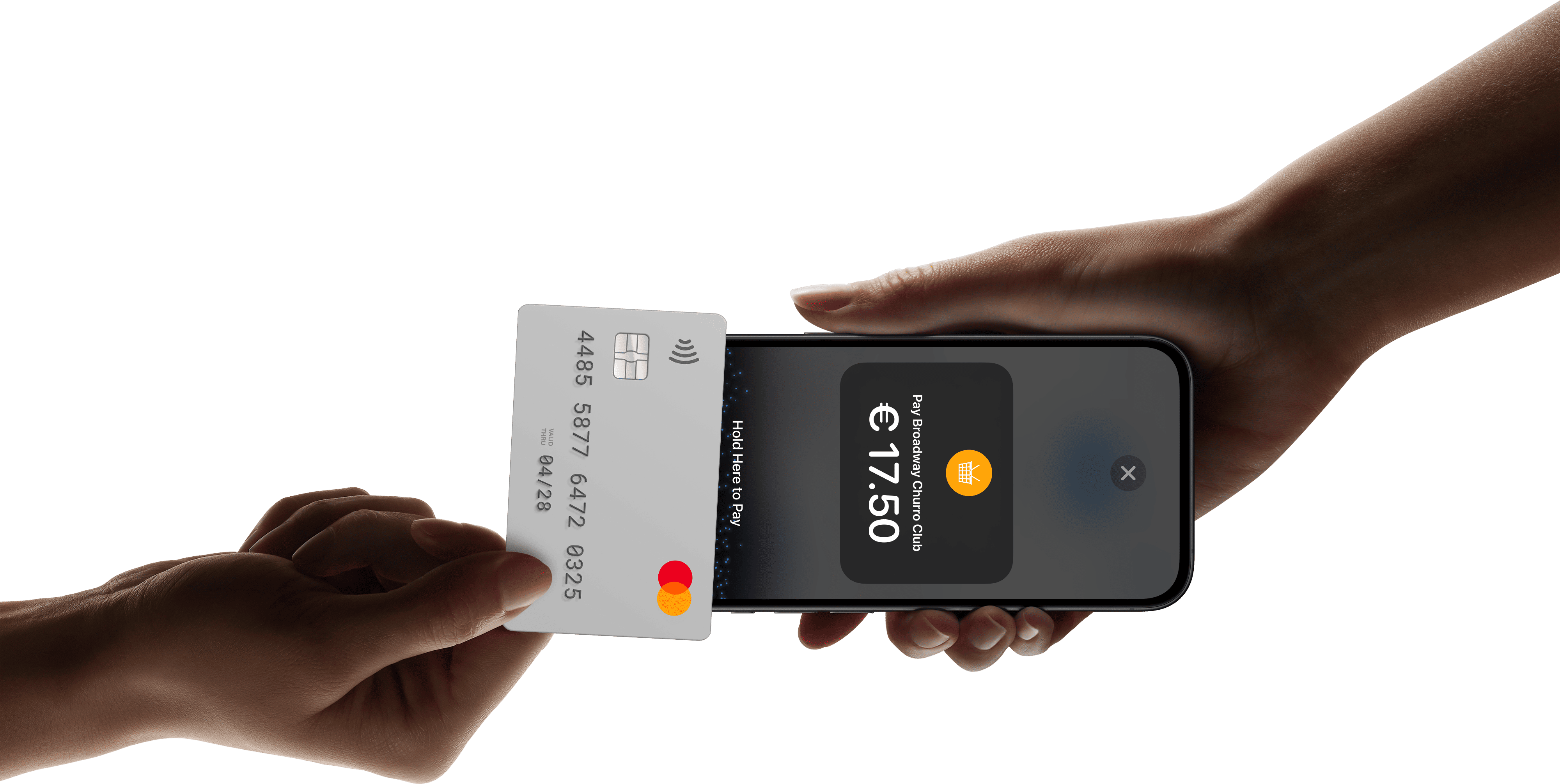
Alt: Phone and payment card in hands
Contactless payments are becoming a normal part of mobile apps in 2026. The trend is no longer limited to physical bank cards or large payment terminals. In a digital market where platforms such as bizbet giriş also depend on fast and convenient payment flows, more apps now support tap-to-pay tools, digital wallets, NFC payments, and quick checkout options inside the same mobile experience.
Market data shows why the shift is gaining speed. Research and Markets estimates the contactless payment market at $84.2 billion in 2026, with projected growth to $160.75 billion by 2030. The report links this rise to biometric authentication, mobile wallet use, low-latency payments, and stronger security tools.
The change is practical. Users want payments to take less time, while businesses want fewer failed transactions and shorter checkout lines. Mobile apps now sit in the middle of that shift.
Phones become payment terminals
One of the clearest changes is the spread of phone-based payment acceptance. Merchants can now use smartphones to accept contactless cards and digital wallet payments without separate payment terminals. In mobile-first services, where fast access and real-time actions matter for platforms such as 1xbet canlı, this wider use of phone-based payments reflects a broader move toward quicker and more flexible digital transactions.
Apple expanded Tap to Pay on iPhone to Hong Kong in late 2025, allowing merchants to accept in-person contactless payments directly on an iPhone. The feature works with contactless cards, iPhones, Apple Watch, and other digital wallets through NFC technology.
This matters for small businesses, delivery services, pop-up shops, and mobile workers. A phone can now work as both a sales tool and a payment device. That reduces hardware needs and makes contactless payments easier to add in everyday business settings.
What is pushing the shift
Before looking at the main drivers, it is important to note one thing. Contactless payment growth is not only about convenience. It also depends on security, device access, merchant tools, and customer habits.
The main drivers include:
- Wider use of mobile wallets in daily payments
- More smartphones and wearables with NFC support
- Faster checkout needs in retail and services
- Biometric checks are built into payment flows
- More merchant tools that work without extra terminals
These factors make contactless payments easier to use and easier to accept. They also explain why mobile apps are becoming the center of payment activity.
How mobile payments are changing
The move toward contactless tools changes both sides of the payment process. Customers expect faster confirmation, while merchants need systems that are simple to run and secure enough for daily use.
|
Area |
Older setup |
2026 direction |
|
Payment method |
Cards and cash first |
Wallets and tap-to-pay tools |
|
Merchant setup |
Separate terminals needed |
Phones can accept payments |
|
Checkout flow |
More manual steps |
Shorter app-based payments |
|
Security checks |
PINs and passwords |
Biometrics and tokenization |
|
User habit |
Planned payments |
Quick payments during daily tasks |
Security becomes part of the story
Faster payments also bring new risks. Reports in 2026 warn about ghost tapping, a scam where criminals use portable NFC readers to trigger small unauthorized charges near tap-enabled phones or cards. Consumer protection advice includes using device locks, transaction alerts, and trusted payment apps.
This does not stop contactless growth, but it changes how apps are designed. Payment flows now need strong authentication, clear transaction details, and fast alerts when something looks wrong.
A quiet change in daily payments
Contactless solutions are becoming standard because they fit daily mobile behavior. People already use phones for shopping, transport, delivery, tickets, and subscriptions. Payments are simply moving into the same flow.
In 2026, the strongest mobile apps will not treat contactless tools as an extra feature. They are building them into the normal user journey, with faster checkout, simpler merchant tools, and stronger security checks working together.