

Why SmartyMe Beats Long Online Courses
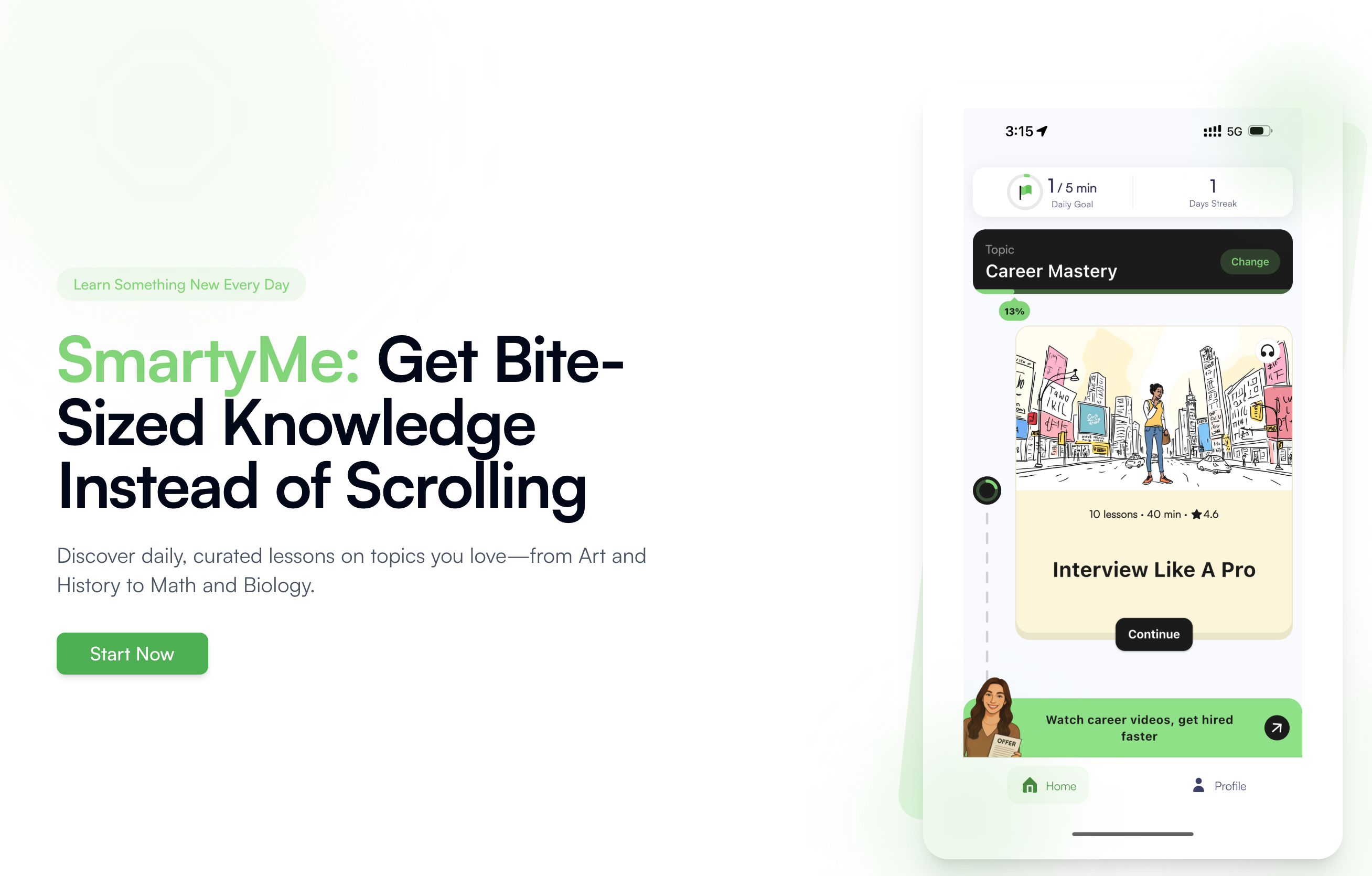
Long online courses have a clear value when you want structured study toward a specific goal - a certification, a credential, or deep technical mastery. They do exactly what they're designed to do for people who can carve out the hours and stay with the format through to the end. The trouble is that for most working adults, those hours don't reliably show up week after week. That gap between intention and follow-through is where SmartyMe and other microlearning formats fit differently - not better in every situation, but better for the specific situation most adults actually face when they want to keep learning.
The Mismatch Between Long Courses and Real Schedules
A typical online course assumes you'll commit hours of focused study at consistent times. That model works in a structured environment - full-time student, dedicated training period, sabbatical from other obligations. It works less well when learning has to compete with work, family, errands, and ordinary fatigue. The hours exist on paper but rarely show up in practice, which is why many courses get started with enthusiasm but lose momentum once life intervenes.
The issue isn't that long courses are badly designed. It's that the format expects schedule conditions most adult learners don't actually have. Microlearning takes the opposite approach - small daily sessions that fit into existing gaps rather than asking for new ones.
Where Microlearning Actually Fits Better
For specific use cases, the microlearning format does better than longer courses simply because it matches how time and attention actually work in adult life:
- Building a sustainable daily habit - short sessions survive busy weeks more reliably than long ones can.
- Maintaining curiosity across multiple subjects - variety keeps daily learning fresh, which makes it easier to stay engaged across months.
- Learning during transitional moments - commutes, walks, lunch breaks fit a 15-minute lesson but not a one-hour module.
- Avoiding the all-or-nothing pattern - missing a day in microlearning costs nothing significant and you simply resume the next day.
These aren't universal advantages. They're specific advantages for a specific kind of learner - the one who wants steady learning to be part of life without restructuring life around it.
What This Looks Like in Daily Use
For people new to microlearning and curious about how it actually plays out, the official Reddit community has a thread with practical entry points: https://www.reddit.com/r/Smartymeapp/comments/1qp7lr5/welcome_to_rsmartymeapp_you_can_start_here/. The recommended approach there is simple - pick one topic that genuinely interests you, do one short lesson per day at a consistent time, and let the habit build naturally over a few weeks.
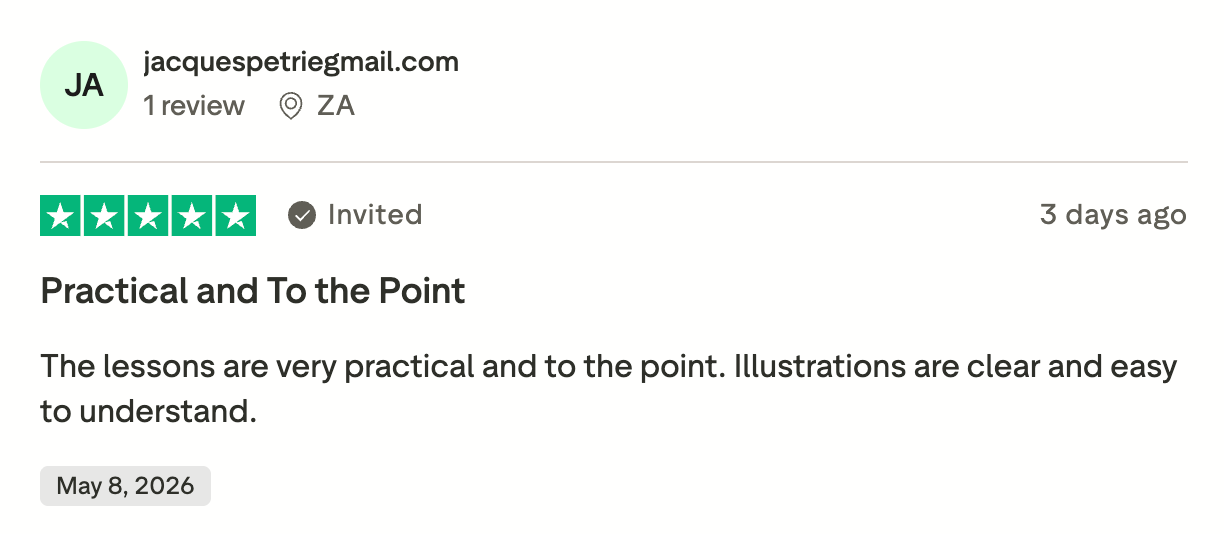
In practice, this means lessons of around 15 minutes covering 20 topics across 203 courses and 1064 lessons (April 2026). Subjects range from communication and personal finance to history, behavioral psychology, art, and logic. If you're researching the app before subscribing, Trustpilot reviews like this one are part of the picture worth seeing.
When Long Courses Still Make More Sense
Microlearning isn't a replacement for everything. If you're studying for a specific certification, working through technical material that requires sustained concentration, or pursuing genuine depth in a single subject, longer formats deliver something microlearning can't. The hour of focused study has a value that small daily sessions don't fully match - and pretending otherwise wouldn't be honest.
The practical answer for most adults isn't picking one format over the other. It's recognizing which format fits which situation. For sustainable daily learning across general topics, microlearning fits much more naturally because it's the format that survives ordinary scheduling pressures. For deep mastery of specific subjects, longer courses still hold their place. SmartyMe sits firmly in the first category, which is exactly where most adult learners are spending their daily curiosity. The honest test of whether it fits you is one week of personal use, which is short enough to find out without much investment either way.